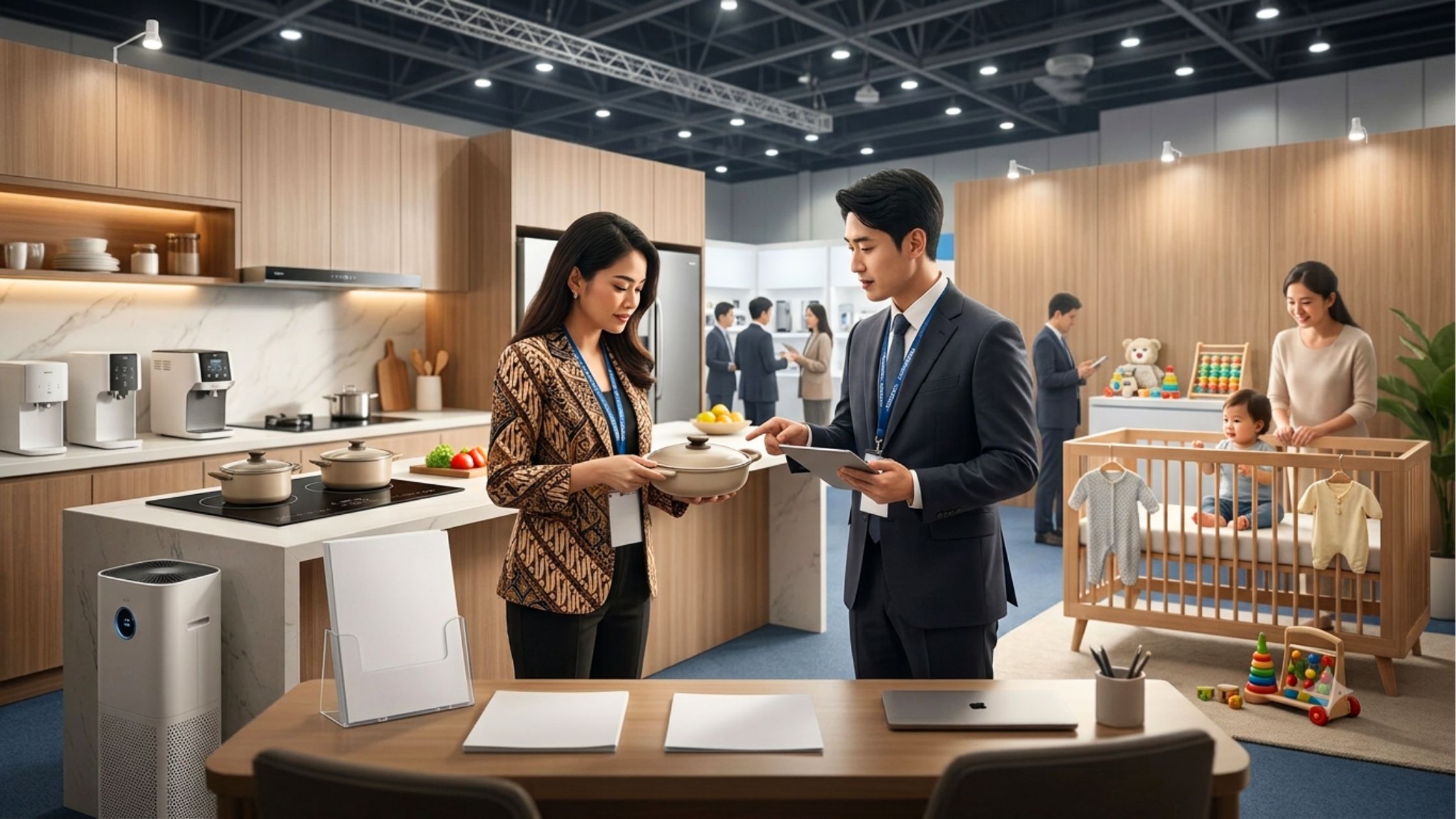

Forget ‘glocal’—Indonesia’s middle class wants ‘Indo-ized’. The winners will be brands that stop asking ‘How do we adapt?’ and start asking ‘How do we belong?’
The Starbucks Correction – And What Your Company Should Learn From It
When Starbucks entered Indonesia in 2002, it brought its global premium coffee experience unchanged. Two decades later, local rival Kopi Kenangan – with its sweetened, grab-and-go drinks priced 60% lower – achieved unicorn status while Starbucks remains confined to urban malls. This story encapsulates the localization challenge facing global brands in Indonesia: the middle class wants global quality but demands local relevance.
McKinsey 2025 data: 68% of middle-class Indonesians prefer brands that “feel local but deliver global quality“.
The Localization Imperative
Success Case: Unilever’s “Lifebuoy Small Bottle” (affordable sachets) outsells Dove in rural areas.
Indonesia’s middle class will reach 140 million by 2025 (McKinsey), controlling USD 300 billion in spending power. Yet global brands continue to underperform. Our research reveals why:
– The Premium Paradox
Middle-class Indonesians will pay more for products that solve local problems. Unilever’s Lifebuoy sells 80% of its volume through USD 0.20 sachets, while P&G’s more expensive Tide pods gather dust.
– The Distribution Dilemma
Amazon’s Prime model failed because it ignored Indonesia’s cash-on-delivery preference (still 65% of e-commerce). Meanwhile, TikTok Shop grew to USD 2.5 billion GMV by embracing local payment habits.
The 4×4 Localization Framework
Most global firms use an ‘APAC playbook’—but Indonesia demands hyper-local ‘city-by-city’ strategies.

Table 1. The 4×4 Localization Framework
BCG 2024: Localized pricing boosts conversion by 3x in tier-2 cities.
The CEO Checklist: Localization Without Losing Scale
1. Decentralize Decision-Making: Unilever Indonesia’s local R&D team can approve products in 4 weeks vs 12 months at HQ.
2. Build Local DNA: GoTo’s 98% Indonesian management team understands nuanced preferences.
3. Leverage Digital Ecosystems: DBS Bank grew deposits 300% by embedding services in Gojek’s superapp.
The Bottom Line
Indonesia rewards brands that go beyond surface-level localization. The most successful global players are those that:
1. Develop Indonesia-specific products (not regional variants)
2. Embrace local business practices (even when unconventional)
3. Build teams with authentic local market intuition
For C-suites, the question isn’t whether to localize, but how deeply. Those who get it right stand to capture a share of what will soon be the world’s fourth-largest consumer market.
Written by Kadin Business Service Desk