USD 3.5 Billion Market Opportunity in F&B Products between Indonesia and South Korea

In collaboration with COEX
The economic ties between Indonesia and South Korea have strengthened over the past decade, with bilateral trade reaching USD 20.13 billion in 2024, making South Korea Indonesia’s 8th-largest trading partner. While electronics and automotive dominate, the Food & Beverage (F&B) sector is emerging as a key growth driver, fueled by Korea’s demand for Indonesian agricultural products and Indonesia’s appetite for Korean food technology and premium consumer goods
Indonesia and South Korea: A Growing Trade Partnership
Indonesia’s exports to Korea: Coffee, seafood (shrimp, tuna), and tropical fruits (mangosteen, bananas) surged by 17% YoY (Ministry of Trade, 2024)
Korea’s exports to Indonesia: Processed foods (instant noodles, kimchi), health supplements, and food machinery grew by 12%, reflecting Indonesia’s booming middle-class demand
This synergy creates a USD 3.5 billion F&B trade opportunity, positioning Indonesia as a critical supplier of raw materials while Korea leads in innovation and distribution
Why Indonesian F&B Businesses Should Target the Korean Market
South Korea’s USD 150 billion F&B market (Statista, 2024) offers immense potential for Indonesian exporters:
Premiumization Trend: Korean consumers increasingly seek organic, sustainable, and exotic ingredients—areas where Indonesia excels (e.g., single-origin coffee, plant-based snacks)
E-Commerce Boom: Online grocery sales in Korea hit USD 16 billion in 2024, with Indonesian products like coconut sugar and cassava chips gaining traction on platforms like Coupang
Tech-Driven Logistics: Korea’s advanced cold-chain infrastructure reduces barriers for perishable goods, a historic challenge for Indonesian exporters
Why South Korean F&B Businesses Should Target the Indonesian Market
With a population of 280 million, a booming middle class, and a growing appetite for premium and innovative food products, Indonesia offers growth potential:
Growing Consumer Base: Over 70 million Indonesians are now middle-income, driving demand for quality imported goods (World Bank, 2024)
Korea’s Cultural Influence is Skyrocketing: Korean food trends (kimchi, tteokbokki, and Korean BBQ) are now mainstream in Indonesia and command 20–30% price premiums over local brands (Euromonitor, 2024)
Modern Retail Expansion: Chains like Lotte Mart, AEON, and Emporium Pluit Mall dedicate shelf space to Korean imports
Capturing Opportunities for Growing F&B Products
Indonesia isn’t just Southeast Asia’s largest economy—it’s a goldmine for F&B businesses, especially those from South Korea. For Korean brands, Indonesia’s 280 million consumers and rising health consciousness present a ripe market for functional foods, ready-to-eat meals, and premium beverages. 68% of Indonesian urban consumers are willing to pay 15-20% premiums for imported health foods (McKinsey 2023 survey)
The Food & Beverage (F&B) sector between Indonesia and South Korea is ripe with untapped potential. Both markets offer complementary strengths—Indonesia’s rich agricultural resources and Korea’s advanced food technology and branding expertise—creating lucrative opportunities for businesses on both sides
Gateway to the Indonesian-Korean Market
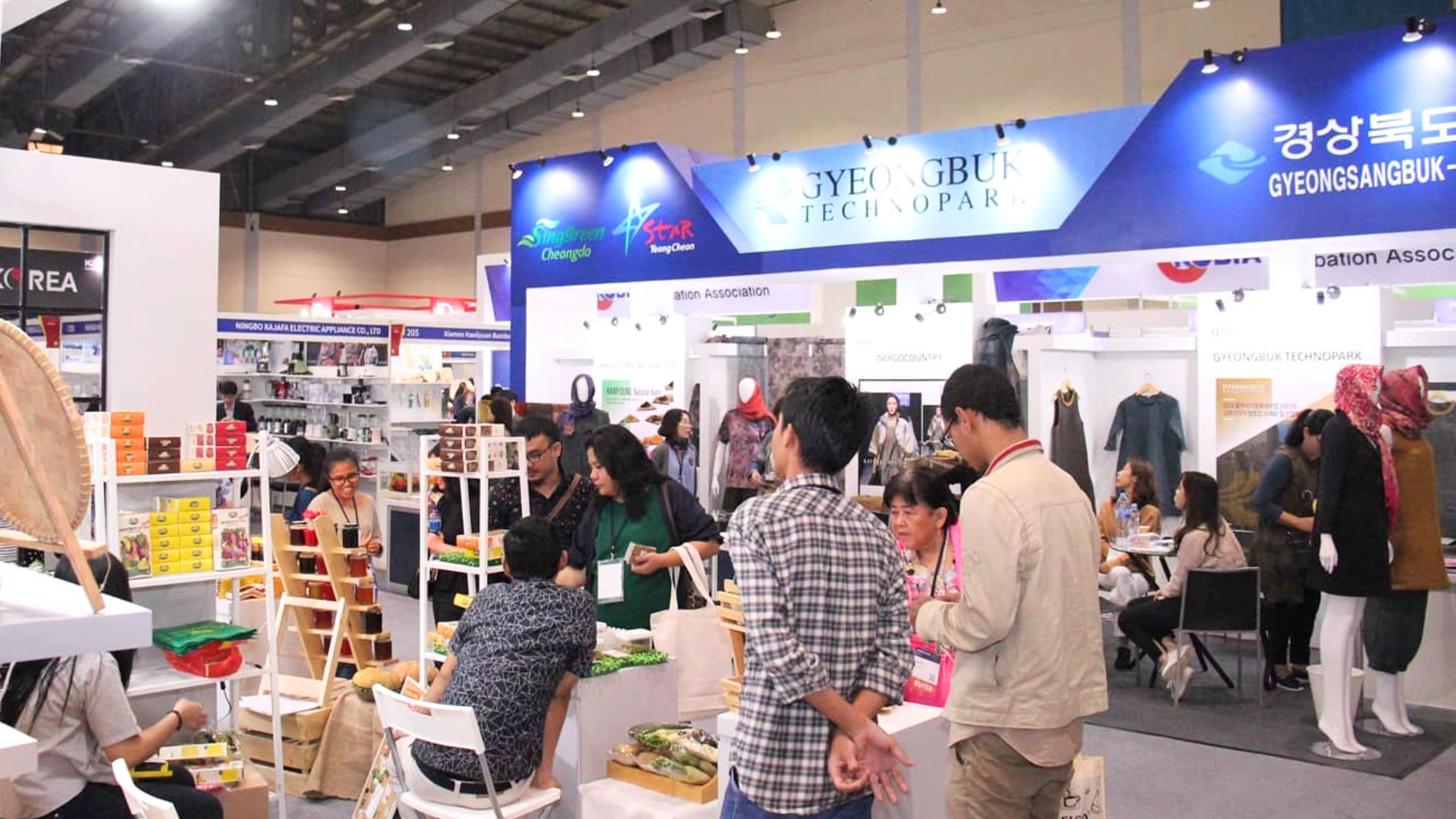
As an international strategic arm of the Indonesian government, Kadin Indonesia in collaboration with Coex, would like to invite Indonesian businesses to participate in the JIPREMIUM 2025 (Jakarta International Premium Product Fair), which shall be held on 11-14 September 2025 at JCC Hall A and B, Jakarta
JIPREMIUM 2025 serves as a bridge, fostering direct business connections between Indonesian and Korean business players. South Korea’s F&B industry is ripe for Indonesian innovation to unlock potential in one of Asia’s most dynamic markets
Written by Kadin Business Service Desk